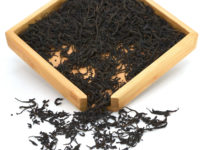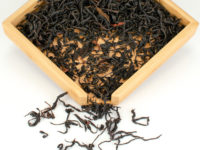
opening more oolongs from @sevencups - i've started to build quite a collection from them & fwiw, their tea happens to be insanely good! grantmichaels (grantmichaels)
I’ve come out of my twelve hour flight from LA feeling pretty good. I’m good for sleep on the plane. I got a bulk head seat. That’s almost like having a business class seat. No movies and basic food but that’s ok too. Because of disease control we all had to have our temperature taken on the plane. A bunch of guys with masks came by with a thermometer that looked like something from Star Trek and zapped us all in the forehead. The Beijing is massive and empty. It is easy to imagine the rising noise level as people arrive. Chinese is a culture in love with the noise of people. The frenzy to in line, buy gifts, snacks for the flight, saying good bye to friends and family, will watch over this massive monument to flight like a flood.
I’ll be in Kunming before the mornings out. Traveling an epic distance while sleeping comfortably. Now if I can get some water for some green tea or some puer or even an oolong. Ok. Now I have some Bi Luo Chun. I’m checked in and waiting for the plane. It would have cost $5 and not been very good. Austin Best wishes Austin
As much as I am excited to go, it is still hard to leave my family and the great staff at Seven Cups. My camera is in my suit case and my camera bag is stuffed with goodies, including a blueberry muffin from the Epic cafe here in Tucson. Thanks Mikel and Alex, and special thanks to Andrew for not eating it before I came to pick it up, an inspiring feat of self discipline. I also have some great tea in my camera bag and suit case. I can’t live on puer alone. I did bring enough for everyone on the bus. I’m going try to post here often during our trip. It is so cool to be doing this from my Blackberry. Man, I love this phone. I will show some restraint and not post during my long lay-over in LA. I will check in again in Beijing hoping that T-Mobile will pull through for me. If you don’t hear from me you will know why. In the mean time, I love this phone. Austin Best wishes Austin
Posted by austin on Wednesday, July 1st, 2009 in the Uncategorized category.
I’m backing up my macbook pro and collecting my cables for my trip to China. Alex is sitting worrying about whether or not I can post via email from my Blackberry with photos. Check this out Alex. Austin Best wishes Austin
This post was contributed by Meredith Walker, who writes about the nursing degree. She welcomes your feedback at MeredithWalker1983@gmail.com
4 Factors to Help You Determine Whether or Not Tea is High Quality Before You Buy
There are lots of high quality, delicious teas out there sold at high end shops and grocery stores alike. Of course, there are also lots of teas out there that are high priced but don’t match the quality of other teas that may even be kinder to your budget. Here are some things to consider before you invest in an untried loose leaf tea.
1. Source:
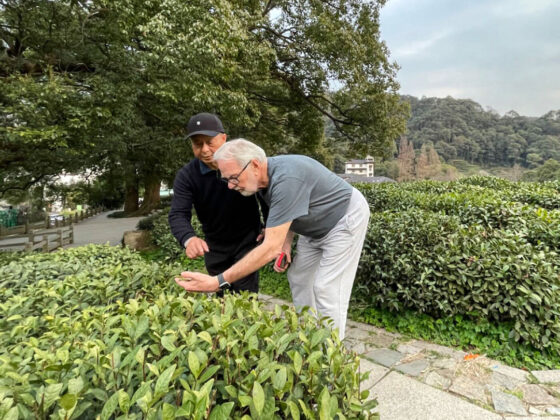
All true teas come from the Camellia sinensis plant but where these plants are grown and harvested and how this is done can make a big difference between a high quality end product and one that is decidedly low quality. Like wine, the climate, soil, altitude and other environmental factors determine the ultimate taste of the tea. Additionally, the highest quality teas are hand plucked, with almost 3,000 young, tender tea leaves being used to create a single pound of tea. Do your research before you head to the store so you know where the tea you’re interested in came from.
2. Manufacturing process:
Your run of the mill, regular tea is usually manufactured through the CTC method, or crush, tear, curl. This produces tea this is composed of small particles, and while these teas can be tasty they are generally not of the highest quality out there. Rather, whole leaf teas are usually the fare of true tea connoisseurs, as less than 2% of the tea in the world is produced using this method of manufacture. Again, like fine wines, high quality teas are manufactured to produce the best aroma, clarity, color, aroma and taste.
3. Quality control:
The best tea will come from batches which have been carefully controlled for taste and quality. This means sampling a cup from each shipment before sending it out to ensure that it is of quality worthy of the tea’s namesake.
4. Customer service and feedback:
It is often difficult to find high quality teas in retail outlets, save for those that are dedicated specifically to selling teas. If you do not have one of these in your area, an online retailer can be a great alternative. Any high quality tea retailer will have a great customer service policy and appreciate your feedback on the quality and taste of their product. Spend some time scoping out online tea shops and you’re bound to find one that matches your interests and price range.
Several years ago my mom asked what I wanted for my birthday and I said the tea classes with Zhuping. Little did I know that would start a passion for tea and later a job here at Seven Cups. Its been awhile but the tea culture classes are back. Check out the schedule below and sign up early as spots fill up quickly. ~Andrea
Additional 2009 spring teas have arrived and are ready to enjoy! After our first shipment of Silver Needle and Jun Shan Yin Zhen proved extremely popular, we now have them back on the shelf ready to order. We also received the gorgeous Tai Ping Hou Kui and Liu An Gua Pian, along with Premium and Imperial Xin Yang Mao Jian, Mo Gan Huang Ya, Golden Buds black tea, and the ever famous Bai Ji Guan. Head over to our 2009 Spring Teas section to find these and all the other freshest teas we have for you to explore.
Seven Cups is gearing up for another trip to Yunnan. The article “Tempest over tea: What is the true Puer?” from the China daily seems especially relevant. It talks about the first fallout from China’s new tea export laws. We’re sure this is the beginning of many controversies to come since China is trying to reverse the culture of deception that characterizes the international tea industry. These are same changes in Chinese law mentioned in the Seven Cups Tea Blog in the form of a press release earlier in 2009, China Beefs Up Its Export Law. It’s interesting that the laws are mentioned in passing but not the focus of the article, and it’s a mystery to me why the Chinese government has been quiet about these laws. The only reason we know about it is because we have a Chinese export license and were informed about the law change in the spring of last year.
What export laws? Didn’t hear about the toughened Chinese tea exporting laws? Yeah, well, they haven’t been reported in the press, even in China. The story was refused by the ‘World Tea News’, the marketing newsletter of the trade show, The World Tea Expo. The law change was mentioned by the Tea News website in the UK. Puer gold for makers of Posh’s weight-loss tea as China outlaws copycats. However they did not report the sweeping changes to the Chinese law, where authenticity of origin of the tea is only a small part.
The issues being referred to in this story come from a fifty year old practice of selling ‘puer’ to older Chinese citizens in Guangzhou and Hong Kong, that was not in fact authentic puer tea. It is generally believed that puer is good for your health, especially for the elderly. This tea that comes from ancient trees and bushes in the tropical microbe-rich rain forest of Yunnan does acquire special qualities in aging as a result of the action of the microbes on the tea over many years. The varietal that authentic puer comes from does not exist in Guangdong where the climate and soil conditions are very different. The Guangdong Tea Procession Association is basing their claim to the name ‘puer’ because of their more than fifty year old practice of making fake puer, but this is viewed as ironic by many people that know puer tea well.
Don’t be surprised if the international tea community sides with Guangdong. The international community would love to be able to call teas produced in Africa and South America (the source of 65% percent of the tea imported into Europe and South America) the same Chinese names that have become so famous. There are few in the international tea business that like to see China setting the standards of the many different varieties of tea that it produces, because the demand is growing by leaps and bounds, while commercial tea is struggling to stay alive. The famous Chinese varietals can not be successfully grown outside of China, evidenced by the English who tried and failed in the 1840’s in India.
China’s new laws require all tea to be identified at its source, tested for contaminates and checked for quality using objective standards established by the Chinese, in addition to demanding qualifying producers to closely document their farming and production processes (including providing soil and water samples). We can only hope that other countries will follow.
It might take a while though, because exporting these laws that open the door to a transparent supply chain are apparently unknown to consumers and the tea companies that supply them, not to mention the press that reports on industry issues.
Austin
Tempest over tea: What is the true Puer? - Source: China Daily
“Among all types of Chinese tea, Puer may be an acquired taste that might not suit all consumers - but recently it has become the most controversial.
Two years ago certain types of the fermented tea were selling for more than their weight in gold. But as with so many sectors and commodities, the speculative bubble collapsed at the end of last year and the market has since lost 85 percent of its value.
But behind the now-sluggish market is a hot debate on what exactly can be called “Puer tea”, with its two major producers - Yunnan and Guangdong provinces - battling it out.
At the root of the conflict is a national standard for a “product with geographical indications - Puer tea,” which was approved by General Administration of Quality Supervision, Inspection and Quarantine on August 5 last year.”
Amara Charles, the best friend of Shyena, the Grand Prize winner of our benefit raffle for the Academy for Cancer Wellness, just so happened to be shooting some film of the Buddha’s Bowl food and tea pairing event at our 5 year anniversary celebration. See the highlights, hear some wonderful music, and maybe, just maybe, I’ll listen to Austin as he admonishes me to “don’t say anything stupid.”
Welcome to our tea and tea culture video podcast with Zhuping Hodge, tea master and owner of Seven Cups. This week Zhuping continues her demonstration of a puer tea ceremony. Please note this is Part 3 of a 3 part series.
Today’s topic: Tea Ceremony- Puer Tea
Thank you all for your comments regarding our video podcasts. We would like to create future podcasts on topics you all are interested in, so please contact us with ideas.
Welcome to our tea and tea culture video podcast with Zhuping Hodge, tea master and owner of Seven Cups. This week Zhuping continues her demonstration of a puer tea ceremony. Please note this is Part 2 of a 3 part series.
Today’s topic: Tea Ceremony- Puer Tea
Thank you all for your comments regarding our video podcasts. We would like to create future podcasts on topics you all are interested in, so please contact us with ideas.