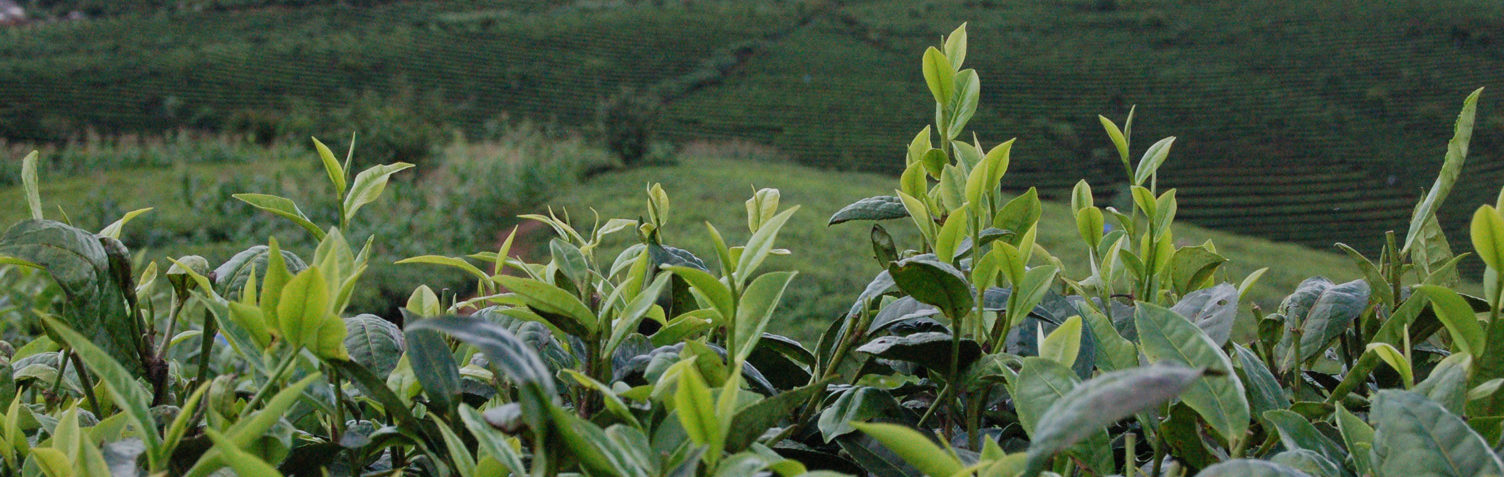
What was the puer tea market like 20 years ago?
My first experience with puer tea came in an alley outside the Victoria Hotel on Shamian Island surrounded by the Pearl River in Guangzhou China on a fall morning in 2002. I had just registered my business in Tucson, Arizona and was in Guangzhou looking for tea. I was having dim sum. I was… // MORE
By Austin Hodge, on January 4, 2024 in: Seven Cups News
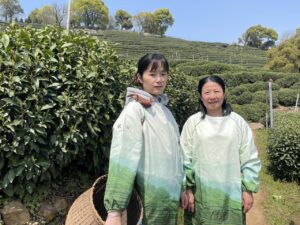
The success of Seven Cups fine tea over the last couple of decades for the large part can be attributed to “direct sourcing.” It is one of our core values. For us, it gives us the ability to focus on quality. For the tea maker, there is direct exposure to the market. For the… // MORE
By Austin Hodge, on April 15, 2023 in: Industry News
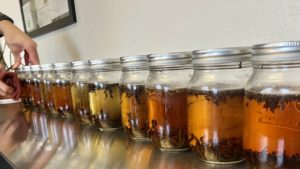
A summer essential: Cold brew black tea With the persistent heat of the summer starting to creep higher and higher in temperature here in Tucson, we’ve been experimenting with cold brewing our catalog of teas. With plenty of fresh black tea in stock, we figured it was the perfect time for a head-to-head comparison of… // MORE
By Alex Ahearn, on July 14, 2022 in: Specialty Tea